1. Employment
2. Development
3. License
4. NDA
5. Collaboration
Employment;
A Employment contract is to make sure the employee is confident in their knowledge of the terms in the company and/or what the company expects of you as well as what you can expect for the company to do for you in return. Within this contract, you can expect to read about the confidentiality while you are employed by the company. This means you cannot talk about upcoming products, problems or information to anybody/organisation as this could allow people to use the information against you to affect your business.

The publisher for a game usually hire people, developers, to create their desired games so a development contract will be used as an agreement of the terms that are put forth so everyone knows what's expected in the deal.
The terms will consist of the essential information which the developer, who is being hired needs to know for example; What the publisher will pay for the developers time, How long the developer has to create said game and if they will receive any sort of proportion of the profits made.
Another thing that will be in the agreement will be the ownership as it is important to know whether the publisher owns the IP or if the developers do.
The last thing I know that will be in the agreement will be the warranties. The developing company which has been hired will need to swear to not use anybody's work/code and it is the publishers job to make sure nothing has been stolen as it is illegal.

A license is a way to grant permission (by the company) to use the licensed material. A license is also a term for when you purchase a piece of software e.g. Photoshop. If you buy this then you have a license attached to that account so buying this, the company (Adobe) has given you permission to use the full edition of the software.
A license under Intellectual Property laws commonly has several conditions beyond the beginning purchase these conditions are term, territory and renewal provisions, all created by the licensor
Term: Most licenses are only valid for a certain length of time. Doing so means if the price of the license had increased, the licensor can get more money and gets a knowledge of how many people are subscribing to this license.
Territory: A license could be only available in the country you purchase it in. For example, if you purchase this said license in the United Kingdom then you cannot use it in other country's like United States etc...

NDA means Non-disclosure Agreement or i is sometimes known as a Confidentiality Agreement (CA). This is an agreement between two parties that outlines confidential material, knowledge or information that the two parties wish to share with another a certain purpose. It is a contract which both parties agree not to say information about the project that the agreement is about.
There are two types of NDA's, Unilateral NDA and Bilateral;
Unilateral: A Unilateral Agreement is a one-way agreement where one party wants to disclose certain information to the other party involved but also require it to remain a secret for their certain reason. They must get the discloser's permission to then forward this information.
Bilateral: A Bilateral/Mutual Agreement is when two parties will exchange information which then is needed to remain a secret. This is highly common in business where collaboration is used.

Collaboration means to work with others to do certain tasks/goals. It normally requires two or more parties to join as one to complete a project which both teams are aiming to finish. In collaboration, it usually needs a leader to do most of the decision making.
An example of this in the games industry would be if a company hired an outsourcing company to help them on their project then the outsourcing company would have to agree to this collaboration contract before doing any sort of work on it.

1. Copyright
2. Trademark
3. Patent
4. Registered Designs
Copyright;
Copyright is a legal right that is created to allow the creator exclusive right to their original work. It allows them to control the use and distribution between other company's. Copyright is a form of Intellectual Property.
The life-spam of a copyright claim is the authors life plus 50 to 100 years. So that means that the claim is valid until 50 to 100 years after the author dies depending on the jurisdiction.
Work that has been used without the author's permission is known as, Copyright Infringement. The most common form of this is in software, film and music.

Trademark;
A Trademark is a recognizable image/logo that makes you know what the said logo is used for for example a company/product. The owner of the trademark can be an individual, organisation or any legal entity.
There are three symbols that are related to trademarks;
TM - This is for an unregistered trademark, usually used to promote or brand goods.


A Patent is a set of exclusive rights granted to an inventor or assignee for a short period of time so that the invention created in disclosed from the public. Patents are another form of Intellectual Property.
Infringement of these patents are when the third party company's make, use or sells the pantentee invention with their permission.

The Registered Design Act that is in the United Kingdom that concerned Copyright and related rights like the ones you see above. The act speaks about the application for registering a design that has been abandoned or refused.

Ethical Obligations are as followed;
1. Violence
2. Rating
3. Education
4. Stereotyping
5. Addiction
Violence;
Violence in video games are often set around the content within the game whether it is too violent for people of certain age category's. It is argued that video games is a rather big impact on the kids nowadays as it may influence their behavior/see it as a role model.
A great example of this is Grand Theft Auto or for short GTA, is well known for it's violence and overall unrealistic way to roam around a city. People debated whether games like these where you can get a weapon and go attack someone is something the kids of today shouldn't be seeing as they may think its alright to do.

PEGI or also known as The Pan-European Game Information is an age rating system where it is aimed to help put restrictions to the age groups playing certain types of games that may contain something not suitable for their eyes to witness.
This helps parents know what games are rated safe for their child to play without the risk of being influenced in anyway what so ever. However, most parents do not abide by this system as they will purchase these over aged games for their children so it may as well not even be there.

Education within video games aim to provide helpful information that may help the user learn whilst playing a game. These games tend to be rather serious compared to the video games that come to mid which pop into your mind at the first instinct.
These games usually take the form of an educational game as well as an entertainment game, maybe a 50-50 mix to try and trick the user that they are playing a video game where as they are learning information.

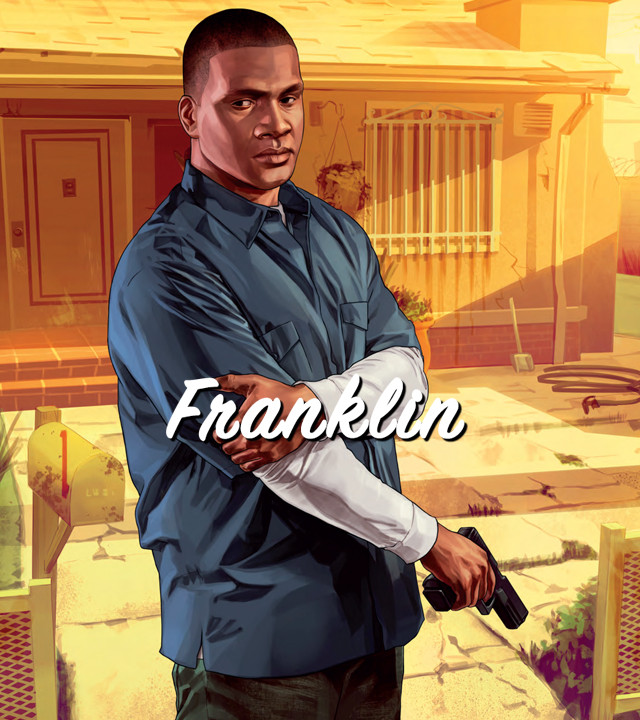
Stereotyping within games are widely ranged but the one we all know is the way people see different races (mainly black coloured people). Video games normally have this impression that black people are aggressive and are apart of gangs and so forth. Once again a great example of this is in Grand Theft Auto V, where one of the main characters, Franklin, is forced to do certain task for someone which is not exactly considered legal.

Finally, there is a massive problem within the industry where people can become addicted to their favorite games that may cause them to not go outdoors to do activity's and socialize. This is normally because the players would prefer to be in a virtual world compared to the real one as it may be stress relief to the certain individual and may be their way to escape. To be addicted to a video game may lead to people developing medical conditions like depression and so on.




-Step-1.jpg/aid1556402-728px-Write-a-Non-Disclosure-Agreement-(NDA)-Step-1.jpg)



No comments:
Post a Comment